Harnessing AI to accelerate sustainability transitions
Today AI can process diverse types of data, such as satellite imagery, sensor data and even community-generated data, to give a more detailed view of environmental problems. This technology can help policymakers make better decisions by improving the understanding of complex environmental and socio-economic data, and develop solutions to accelerate sustainability transitions. Nonetheless, while AI offers powerful tools for tackling sustainability challenges, it is also important to ensure its application is transparent and fair.
To this end, the AI and New Frontier Group focuses on developing AI tools and databases for environmental monitoring and policy guidance, bridging science, policy and technology to advance environmental and social goals equitably.
Relevant publications

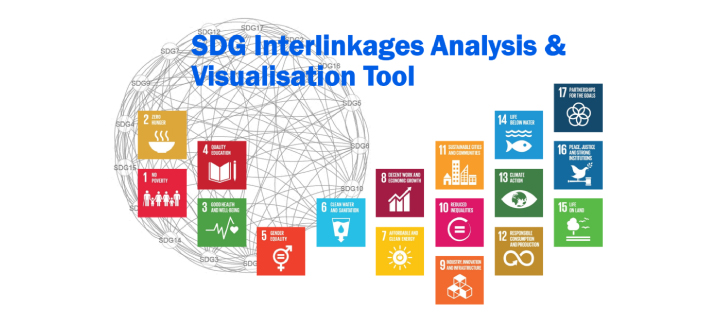
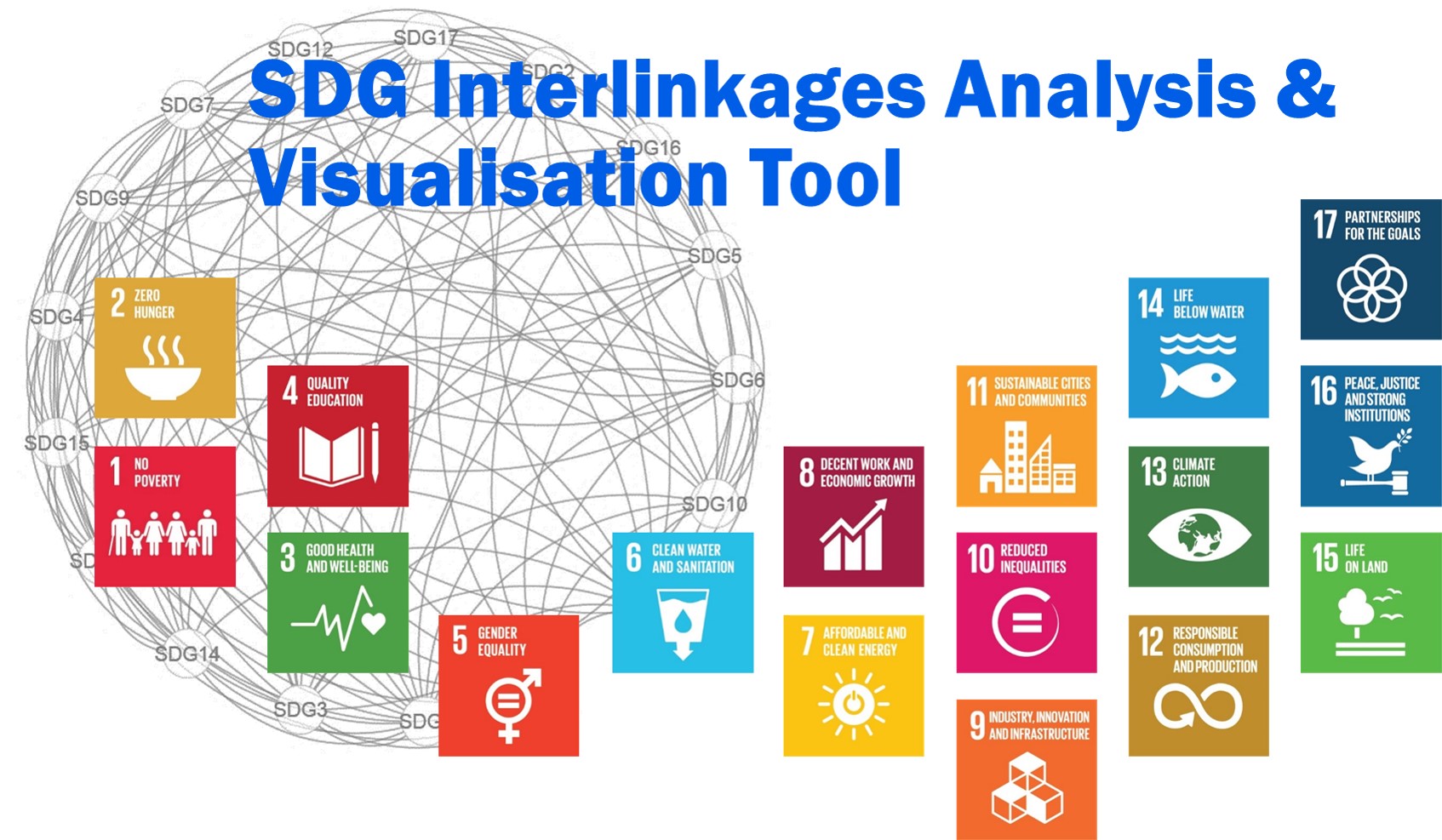
While the Sustainable Development Goals (SDG) are broadly framed with 17 goals, the goals and their targets inherently connect with each other forming a complex system. Actions supporting one goal may influence progress in other goals, either positively (synergies) or negatively (trade-offs). Effective managing the synergies and trade-offs is a prerequisite...

Routledge Handbook of the UN Sustainable Development Goals Research and Policy
Chapter 9: Bridging Resources, Bridging Goals
This handbook brings together a collection of seminal research on the Sustainable Development Goals (SDGs) and investigates the effectiveness of the 17 goals for achieving transformative change toward sustainable development.
As a collection of inter- and transdisciplinary research from around the world...

The 17 Sustainable Development Goals (SDGs) broadly cover the social, economic and environmental dimensions of sustainable development. Achieving one target will affect the achievement of others through their intrinsic linkages, either positively or negatively. Achieving the SDGs requires an integrated approach. Existing knowledge on SDG interlinkages....


Relevant Links