


Conference Proceeding

かごしま1.5℃ライフスタイルワークショップ
IGESは鹿児島県と鹿児島市の後援のもと、 2022年 8月~ 10月にかけて、市民参加型の気候変動に関するワークショップ「かごしま 1.5℃ライフスタイルワークショップ」を鹿児島市にて開催しました。国連パリ協定の野心的な 1.5℃目標(地球の平均気温上昇を 1.5℃以内に抑制)を、カーボンフットプリントの概念から考え、個人の生活様式変容から温室効果ガス排出量を削減し、生活の質も向上する「 1.5℃ライフスタイル」を市民に普及する目的の実践型のワークショップです。参加者は、将来の地域社会を担う鹿児島県在住の若者を対象とし、自治体、企業、団体など地域のステークホルダーとの意見交換も交え、約 3ヵ月間において、 4つのステップ(気候変動について知る、対策を行う、考える、対話をする)を行いました。...
Report Chapter

This report demonstrates that changes in consumption patterns and dominant lifestyles are a critical and integral part of the solutions package to addressing climate change. The report fills a gap in the existing research by establishing global targets for lifestyle carbon footprints, examining current consumption patterns and their impacts on...
Book

『はかって、へらそうCO2 1.5℃大作戦』では、次世代を担う子ども向けに、私たちの日常生活が気候変動に与える影響や持続可能な未来のためにできる行動を、科学的根拠に基づきわかりやすく、また子どもにも身近な事例や説明を用いて監修しました。「①はかる編」では、気候変動緩和の必要性を総合的に解説した上で、ライフスタイルカーボンフットプリントの考え方を紹介。自分の生活に関連してどれだけの温室効果ガスが排出されているのかを簡易計算できるワークシートを使って、理解を深めます。 IGESの報告書『 1.5℃ライフスタイル―脱炭素型の暮らしを実現する選択肢―』を軸に、パリ協定の目標達成と豊かな暮らしの両立を子どもにもわかりやすく解説 なぜ1.5℃目標が大切なのか、地球温暖化対策の歴史...
Book

『はかって、へらそうCO2 1.5℃大作戦』では、次世代を担う子ども向けに、私たちの日常生活が気候変動に与える影響や持続可能な未来のためにできる行動を、科学的根拠に基づきわかりやすく、また子どもにも身近な事例や説明を用いて監修しました。「②へらす編」では、すまい、移動、食べもの、消費財の4つの領域で温室効果ガス削減につながる実践的な選択肢を提示。さらに、その輪を広げるためのヒントも紹介しています。 IGESの報告書『 1.5℃ライフスタイル―脱炭素型の暮らしを実現する選択肢―』を軸に、パリ協定の目標達成と豊かな暮らしの両立を子どもにもわかりやすく解説 なぜ1.5℃目標が大切なのか、地球温暖化対策の歴史、国内外の最新動向などを網羅的に概観 地球温暖化以外の環境影響や他国、産業の視点を盛り込み...
Policy Brief
The concept of 1.5-degree lifestyles involves changes in household consumption for achieving levels of per person carbon footprint compatible with the 1.5°C target of the Paris Agreement (IPCC, 2018). This requires, on average, emitting the equivalent of 2.5 tons of CO₂ per person per year by 2030, and 0.7 tons of CO₂ per person per year by 2050...
Policy Report
地球温暖化を産業革命前の水準から1.5°C以内に抑えるには、一人あたりのカーボンフットプリントを世界平均で現在の4.6tCO2e/年から2030年には2.5tCO2e/ 年に削減する必要がある。住宅、食、移動、製品の購入、サービス利用、レジャーの分野における消費量とエネルギー原単位の分析から、京都市に暮らす人々の暮らしに関わる平均的なカーボンフットプリントは7.0tCO2e/ 年であることがわかった。これは日本の全国平均(7.1tCO2e/ 年)よりやや低い水準であるが世界平均(4.6tCO2e/ 年)よりは多い。 7.0tCO2eから2.5tCO2eへのカーボンフットプリントの削減は、供給(生産)側と需要(消費)側の対策を組み合わせることで初めて可能となる...
Policy Report
地球温暖化を産業革命前の水準から1.5°C以内に抑えるには、一人あたりのカーボンフットプリントを世界平均で現在の4.6tCO2e/年から2030年には2.5tCO2e/ 年に削減する必要がある1。住宅、食、移動、製品の購入、サービス利用、レジャーの分野における消費量とエネルギー原単位の分析から、横浜市に暮らす人々の暮らしに関わる平均的なカーボンフットプリントは7.1tCO2e/ 年であることがわかった。これは日本の全国平均(7.1tCO2e/ 年)と同等の水準であり世界平均(4.6tCO2e/ 年)よりは多い。7.1tCO2eから2.5tCO2eへのカーボンフットプリントの削減は、供 給(生産)側と需要(消費)側の対策を組み合わせることで初めて可能となる...
Policy Report

'New Delhi in 2030: Envisioning 1.5-Degree Lifestyles' shares findings of the ‘Envisioning Future Low-Carbon Lifestyles and Transitioning Instruments’ demonstration project, 2019-2021. This project was implemented under the United Nations’ One Planet network and funded by the Government of Japan through its contribution to the 10YFP Trust Fund...
Keywords:
Policy Report
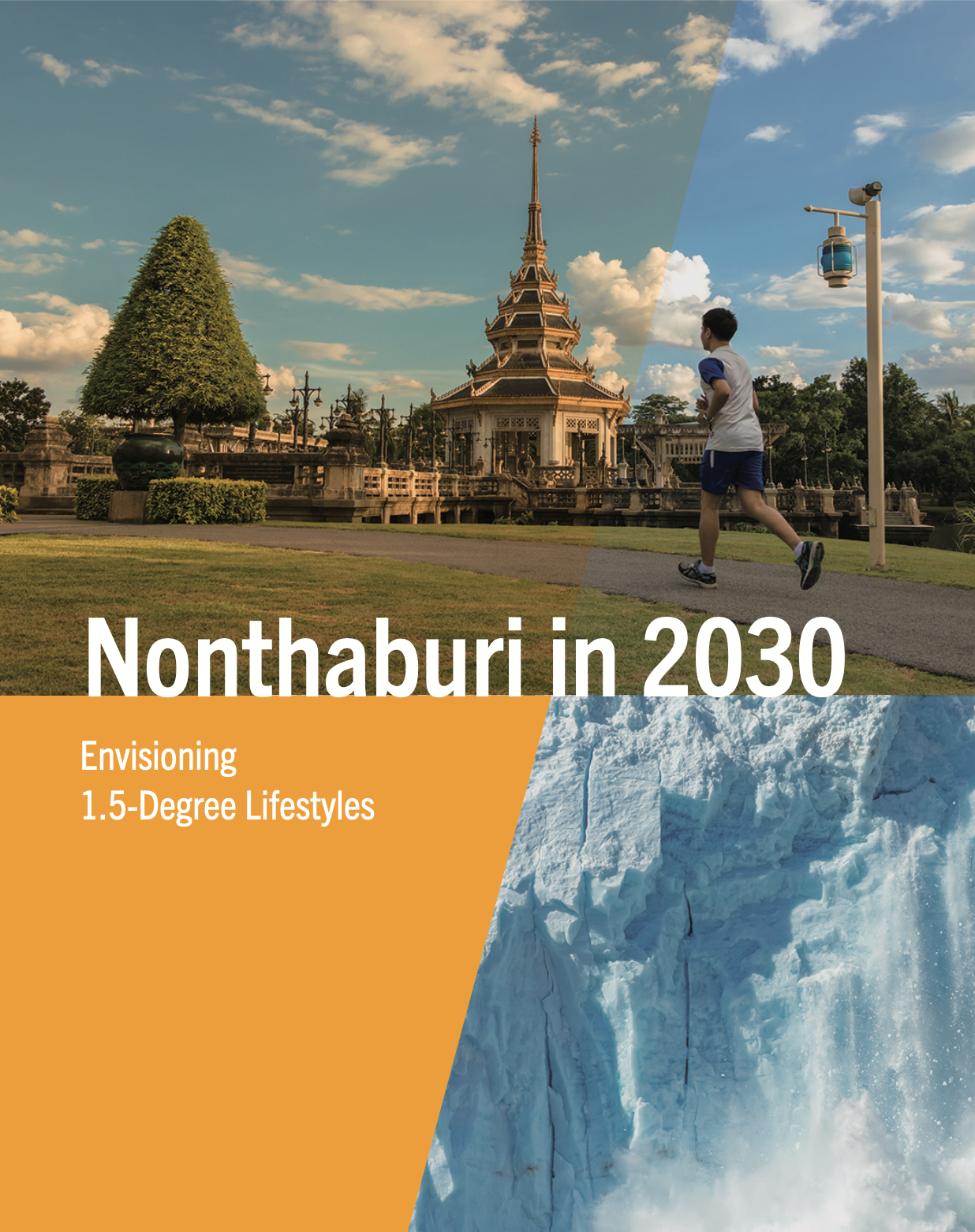
'Nonthaburi in 2030: Envisioning 1.5-Degree Lifestyles' shares findings of the ‘Envisioning Future Low-Carbon Lifestyles and Transitioning Instruments’ demonstration project, 2019-2021. This project was implemented under the United Nations’ One Planet network and funded by the Government of Japan through its contribution to the 10YFP Trust Fund...
Keywords:
Policy Report
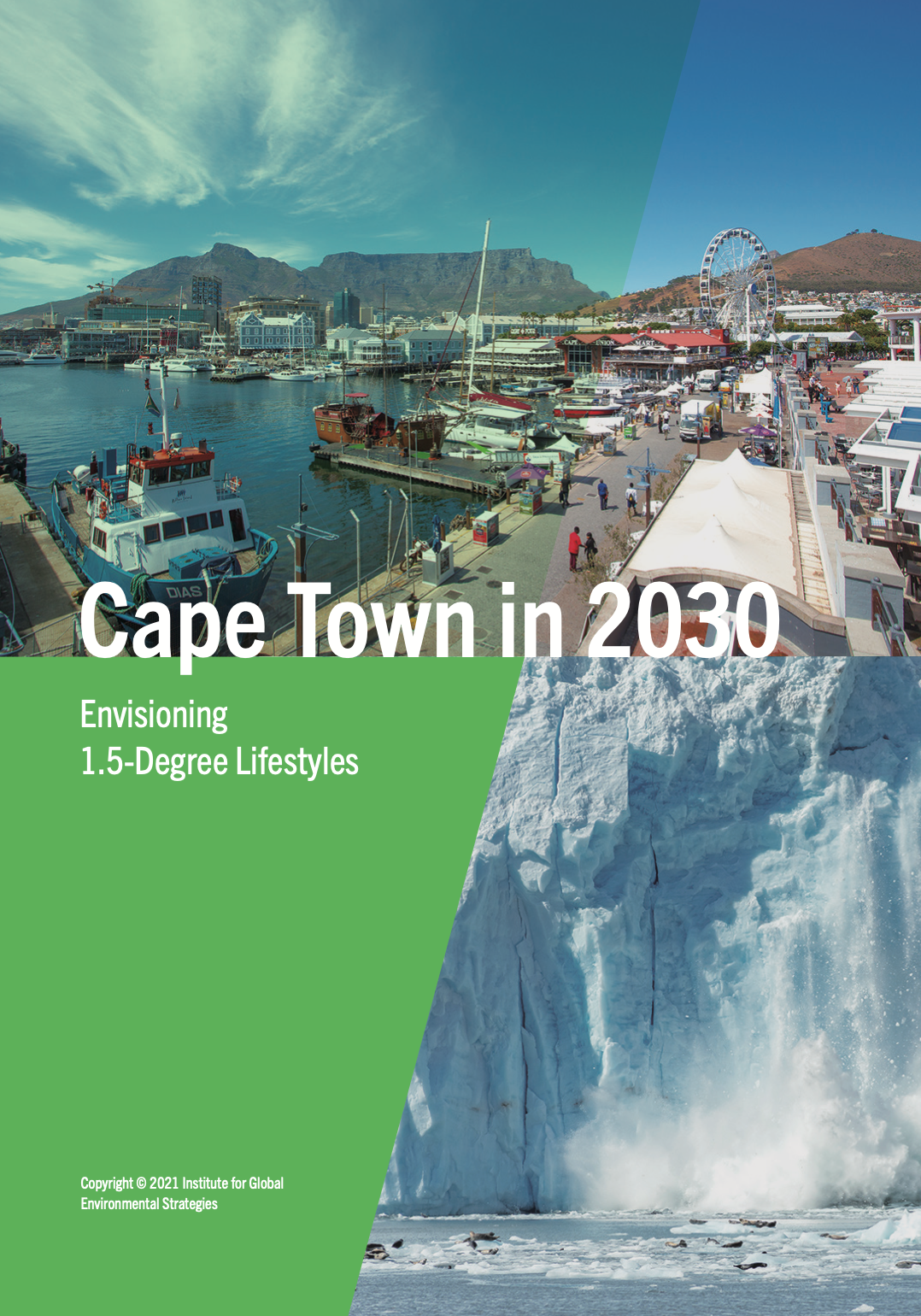
'Cape Town in 2030: Envisioning 1.5-Degree Lifestyles' shares findings of the ‘Envisioning Future Low-Carbon Lifestyles and Transitioning Instruments’ demonstration project, 2019-2021. This project was implemented under the United Nations’ One Planet network and funded by the Government of Japan through its contribution to the 10YFP Trust Fund...
Keywords:
Policy Report
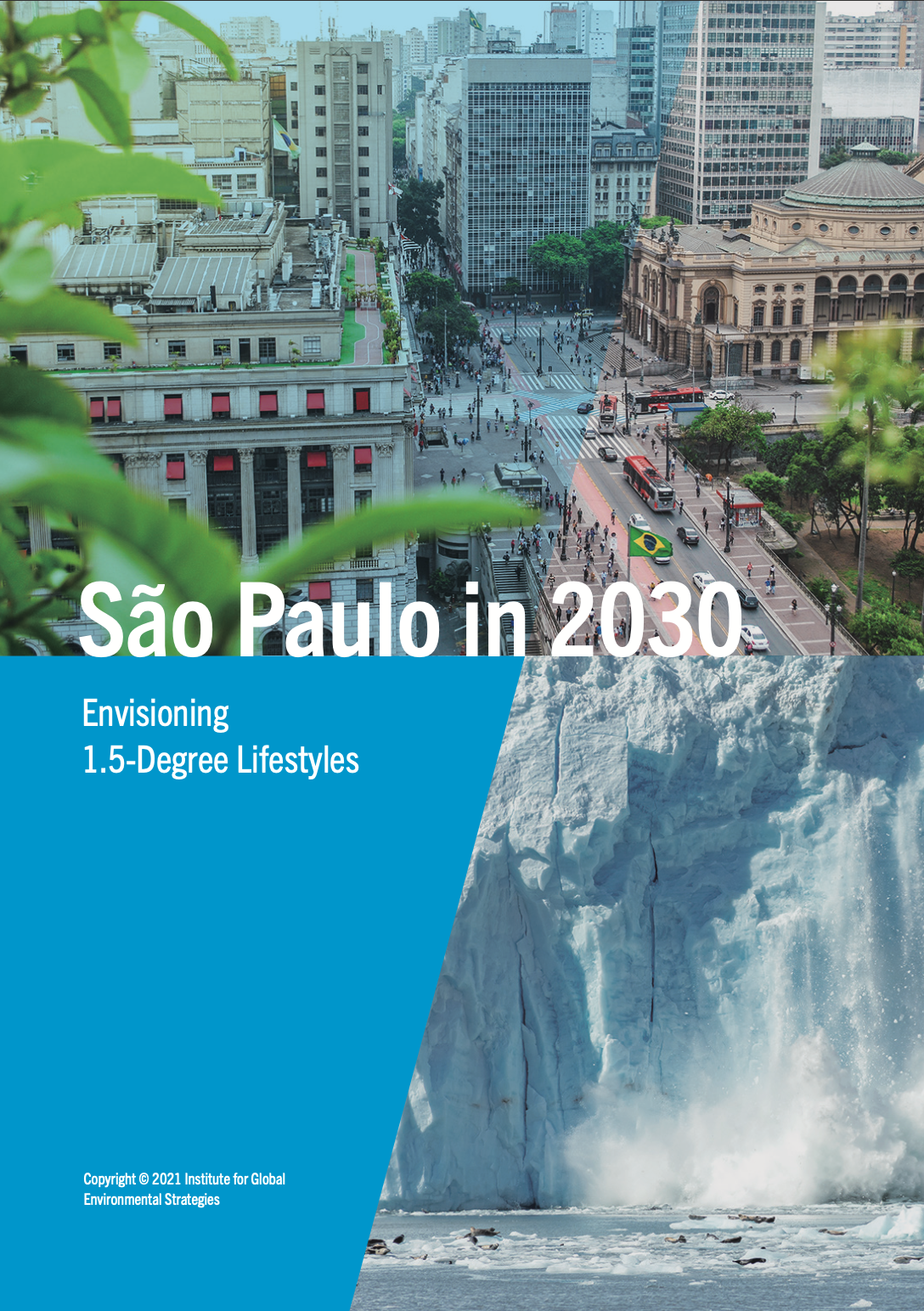
'Sao Paulo in 2030: Envisioning 1.5-Degree Lifestyles' shares findings of the ‘Envisioning Future Low-Carbon Lifestyles and Transitioning Instruments’ demonstration project, 2019-2021. This project was implemented under the United Nations’ One Planet network and funded by the Government of Japan through its contribution to the 10YFP Trust Fund...
Keywords:
PR, Newsletter or Other

The '1.5-Degree Lifestyles Magazine' shares stories about everyday sustainable living. It is part of the ‘Envisioning Future Low-Carbon Lifestyles and Transitioning Instruments’ project, 2019-2021. This demonstration project is implemented under the United Nations’ One Planet network and funded by the Government of Japan through its contribution to...
Keywords:
Peer-reviewed Article
In Sustainability Science
This paper presents an approach for assessing lifestyle carbon footprints and lifestyle change options aimed at achieving the 1.5 °C climate goal and facilitating the transition to decarbonized lifestyles through stakeholder participatory research. Using data on Finland and Japan it shows potential impacts of reducing carbon footprints through...
Policy Report
How we choose to live as a society and as individuals – what houses we choose and build, what food we eat and grow, how we spend our spare time, and what type of transport we use – will have an enormous impact on the trajectory of human history. This publication will help policymakers, individuals and other stakeholders understand what a holistic...