IGES Joint Crediting Mechanism (JCM) Database provides detailed information on the JCM methodologies, projects, and JCM feasibility studies to be utilized for research and development of JCM project. The JCM is being implemented under bilateral cooperation between Japan and 29 partner countries: Mongolia, Bangladesh, Ethiopia, Kenya, Maldives, Viet...
- クリア
- 地域 / 国: (-) Central Asia
- 地域 / 国: (-) South America
- 地域 / 国: (-) Sri Lanka
73件中 1~10件 (日付順)
Microplastics所収
Synthetic fibers are widely used in daily life due to their durability, elasticity, low cost, and ease of use. The textile industry is the primary source of synthetic microfibers, as these materials are mostly used in production processes. Globally, plastic pollution has been identified as a major environmental threat in this era, since plastics...
MLP Main Meeting in Baku, Azerbaijan
The Mutual Learning Program for Enhanced Transparency (MLP), implemented and funded by the Ministry of the Environment, Japan (MOEJ), aims to assist countries to prepare their Biennial Transparency Reports (BTRs) under the enhanced transparency framework of the Paris Agreement through mutual learning of practices. This summary report presents the...
The year 2023 marked a concerning milestone in climate history with the global average temperature being 1.45 ± 0.12°C above the pre-industrial average. The Global Stocktake at COP28 showed that the projected temperature rise is expected to be between 2.1 - 2.8°C even if nationally determined contributions (NDCs) of all countries are fully achieved...
キーワード:
Book of Abstracts - SLAcJ 8th International Conference on Harnessing Technology and Governance for Natural Capital Management
Environmental Education (EE) is crucial for raising awareness about environmental protection and improving the quality of life for present and future generations (Ilovan et al., 2019; Premakumara et al., 2016). This is particularly important in addressing global issues like plastic pollution. As of 2015, approximately 6300 metric tons of plastic...
1st International Conference on Plastics & Environmental Sustainability
Synthetic fibres, owing to their durability, elasticity, non-wrinkle nature, and cost-effectiveness, have become ubiquitous globally. However, the widespread use of synthetic fibres has raised concerns about microfiber pollution, particularly in laundry wastewater. While source reduction could be considered the main management method to prevent...
Roundtable Meeting with Higher Level Functionaries for Strengthening the Climate Security Outcomes of Adaptation Planning
Climate security refers to the direct and indirect impacts of climate change on peace and security. It also refers to the impact of climate change on the political stability, human security, national security, etc. Climate change as a threat multiplier, can exacerbate the underlying traditional security issues and human security issues. Hence...
The global hospitality industry is at a pivotal juncture, confronting a pervasive challenge — the menace of plastic pollution and marine litter. The Global Tourism Plastics Initiative (GTPI) notes that approximately 80 percent of all tourism activities occur in coastal areas, positioning the hotel industry as a significant contributor to the...
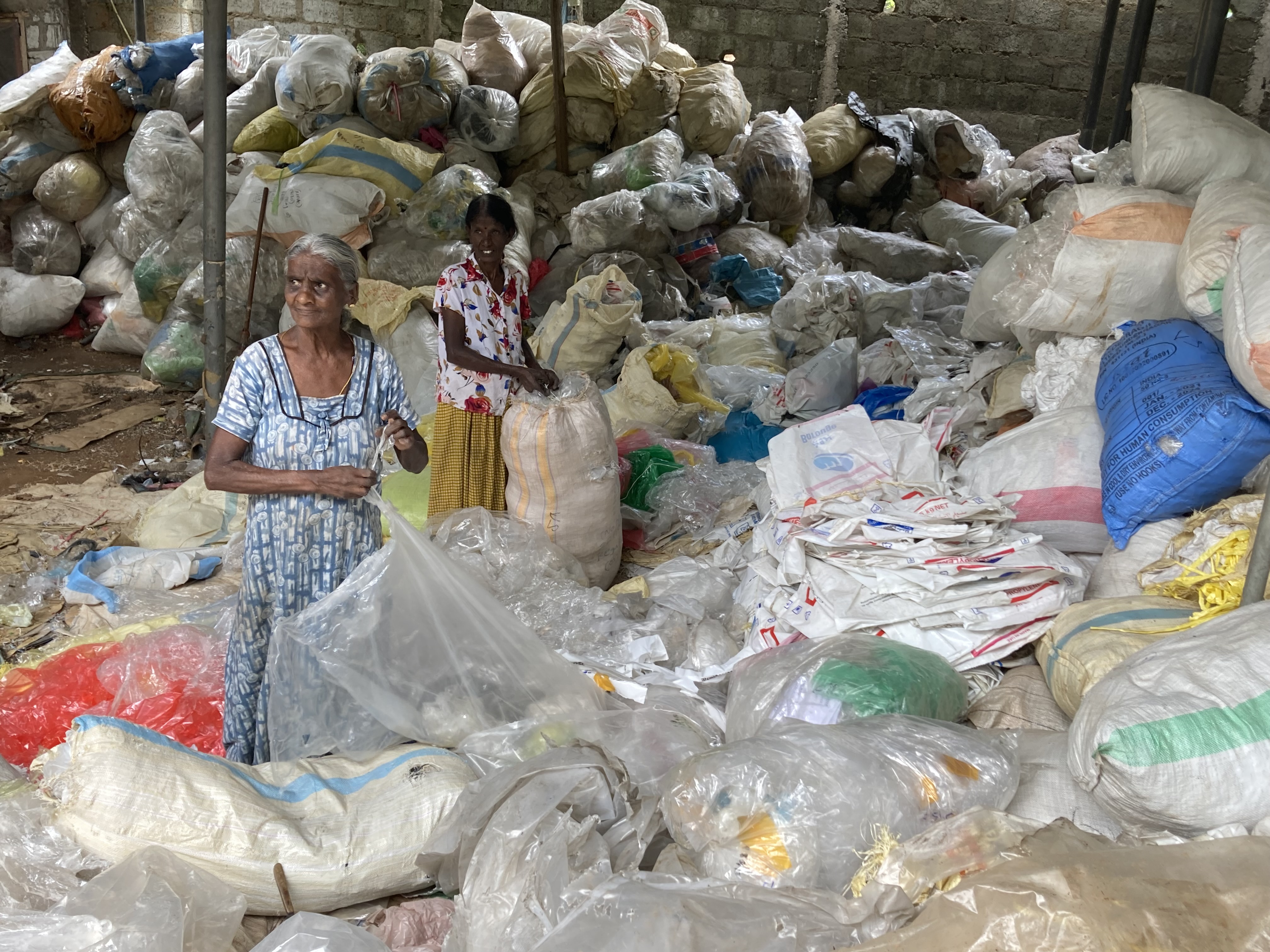
Sri Lanka faces substantial challenges in managing its Municipal Solid Waste (MSW), attributed to factors like population growth, urbanization, changing consumption patterns, and fast growth of industrial and service sectors. Alarmingly, only 37% of city and district centers in the country benefit from official MSW collection services. The use of...
This document presents the methodology and findings for a national plastic waste inventory for Sri Lanka. It has been prepared as part of the project titled “Marine litter and micro-plastics: Promoting the environmentally sound management of plastic wastes and achieving the prevention and minimization of the generation of plastic wastes,”...