2016年に締結したMoUに基づき、インドにおける日本の環境技術(低炭素・省エネ技術を含む)移転の推進、および兵庫県(日本)とグジャラート州(インド)の交流を強化するため、令和4年度(2022年度)は、以下の業務を実施した。 (1)JITMAP が 過去に実施した対象技術に関する FS 及び 昨年度に実施したエネルギー 診断士・管理者向けの 蒸気管理システムに関する研修(オンライン) 等に 係る フォローアップ活動 を通じた、 技術及びその効率的な運用手法に関する改善提案の採用によるエネルギー効率化、 CO2 削減、並びにコスト削減等の効果の確認。 (2)ハリヤナ州にある自動車・二輪車向けポリマー部品を製造する中小企業 2 社(日系企業が取引先)における、圧縮空気システムに関する FS...
11件中 1~10件 (日付順)
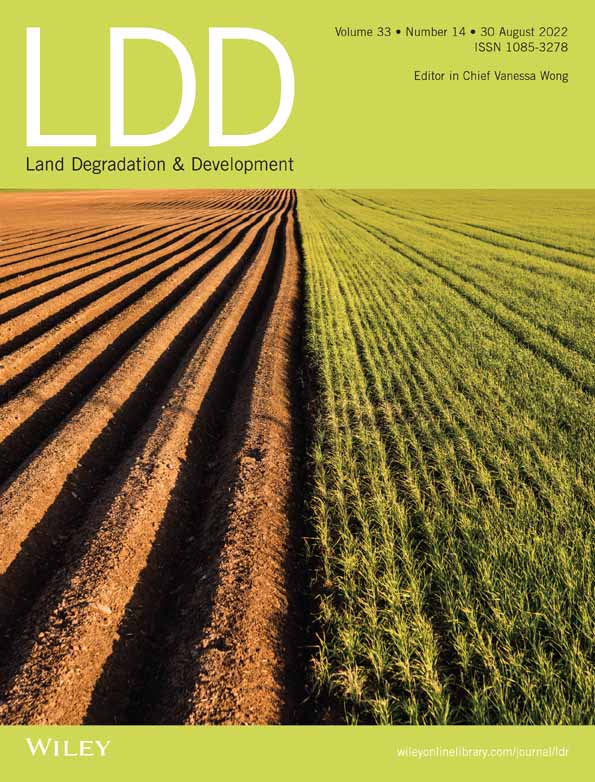
Land Degradation and Development所収
Place attachment and ecocentric attitude are the important determinants of conservation behaviour, especially for traditionally managed landscapes. In this paper, we explore the relationship between place attachment and the ecocentric attitude of farmers engaged in Jhum cultivation ( aka shifting /slash and burn cultivation) in the Zunheboto...
On Thursday 2 December 2021, United Nations University Institute for the Advanced Study of Sustainability (UNU-IAS) and Institute for Global Environmental Strategies (IGES) convened a session entitled “Landscape Approaches for Biodiversity, Climate Change and Sustainable Development Co-benefits” at the 13th International Forum for Sustainable Asia...
On Thursday 12 November 2020, United Nations University Institute for the Advanced Study of Sustainability (UNU-IAS) and Institute for Global Environmental Strategies (IGES) convened a session entitled “The Satoyama Initiative, transformative change, and societies in harmony with nature” at the 12th International Forum for Sustainable Asia and the...
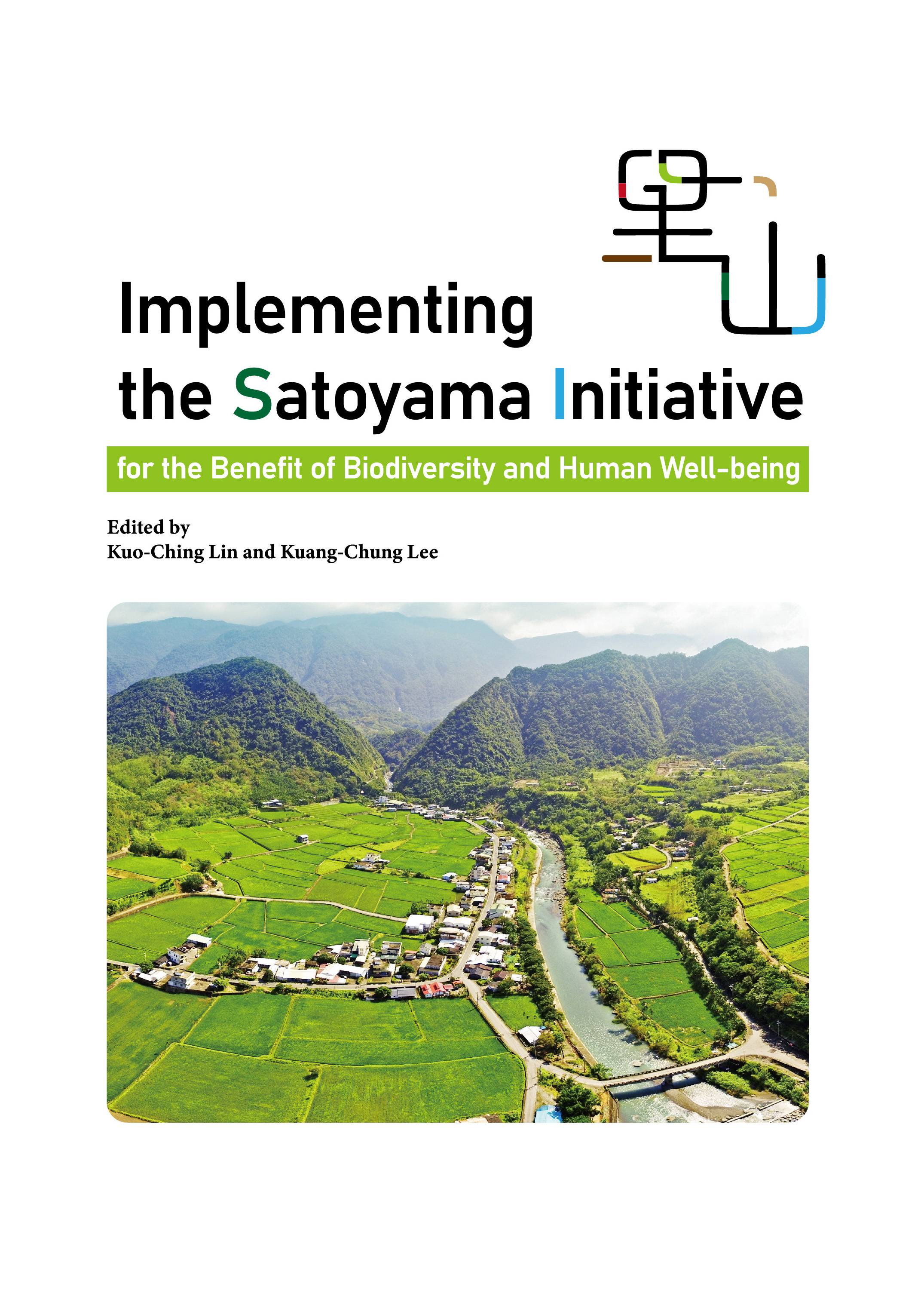
Implementing the Satoyama Initiative for the benefit of biodiversity and human well-being所収
Primary production, including agriculture, aquaculture, forestry and fisheries is the strongest driver of biodiversity loss globally. It can, however, contribute to biodiversity conservation if wisely managed such as in ‘Satoyama’ and ‘Satoumi’, or socio-ecological production landscapes and seascapes (SEPLS), where production activities support...
High Level Political Forum on Sustainable Development 2020 Side Event "Satoyama Initiative – Societies in Harmony with Nature: An inclusive approach for communities, landscapes and seascapes"
This presentation is about the critical role of socio-ecological production landscapes and seascapes (SEPLS) for the achievement of Sustainable Development Goals (SDGs) and the Post-2020 Global Biodiversity Framework. It overviews the Satoyama Initiative, including the Satoyama Development Mechanism, and discusses resilience in the face of COVID-19...
This report demonstrates that changes in consumption patterns and dominant lifestyles are a critical and integral part of the solutions package to addressing climate change. The report fills a gap in the existing research by establishing global targets for lifestyle carbon footprints, examining current consumption patterns and their impacts on...
Global Policy所収
This article argues that the environment was extensively incorporated into the Sustainable Development Goals (SDGs), with broad and ambitious targets, reflecting environmental concerns throughout the SDGs. Many environment‐related targets – including some of the most important ones – were placed under ‘non‐environmental’ goals. The SDGs also...
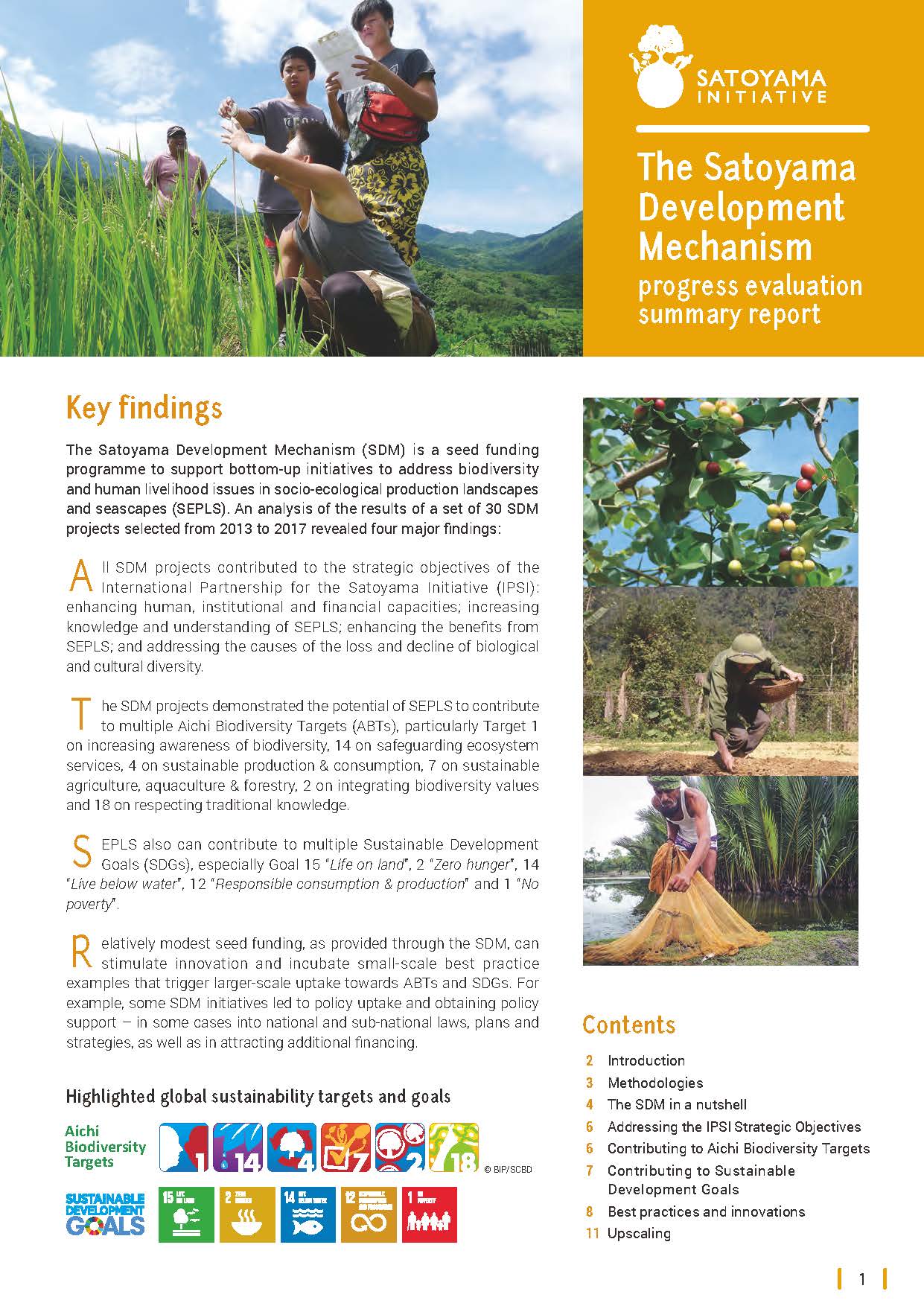
The Satoyama Development Mechanism (SDM) is a seed funding mechanism to encourage IPSI members to develop and accelerate sustainability actions in SEPLS. This report aims to present the SDM projects and their contributions to global goals, for the consideration of policymakers, businesses, researcher institutions, organizations and civil society...
This booklet provides an overview of the SDM, including its objectives and funding scheme, and summarises the overview of the projects newly selected in 2014.