The project brochure introduces the outline of the programme and the overviews of 20 projects implemented under the MOEJ's programme "FY2020 City-to-City Collaboration for Zero-Carbon Society".
"The Digital Revolution and Sustainable Development: Opportunities and Challenges" At the High-Level Political Forum under the auspices of ECOSOC: 12 July, 2019
Socio-ecological production landscapes and seascapes (SEPLS) can contribute to global goals for biodiversity conservation and dealing with climate change, while also contributing locally to human security and wellbeing. SEPLS are, however, under threat around the world. SEPLS have been promoted under the Satoyama Initiative by the International...
Food production and productivity improvements have contributed to lifting millions of people out of poverty and reduced hunger and malnutrition, but are associated with patterns of land intensification that have degraded agricultural land and caused great environmental harm. Underlying drivers affecting land conversion to and from agriculture...
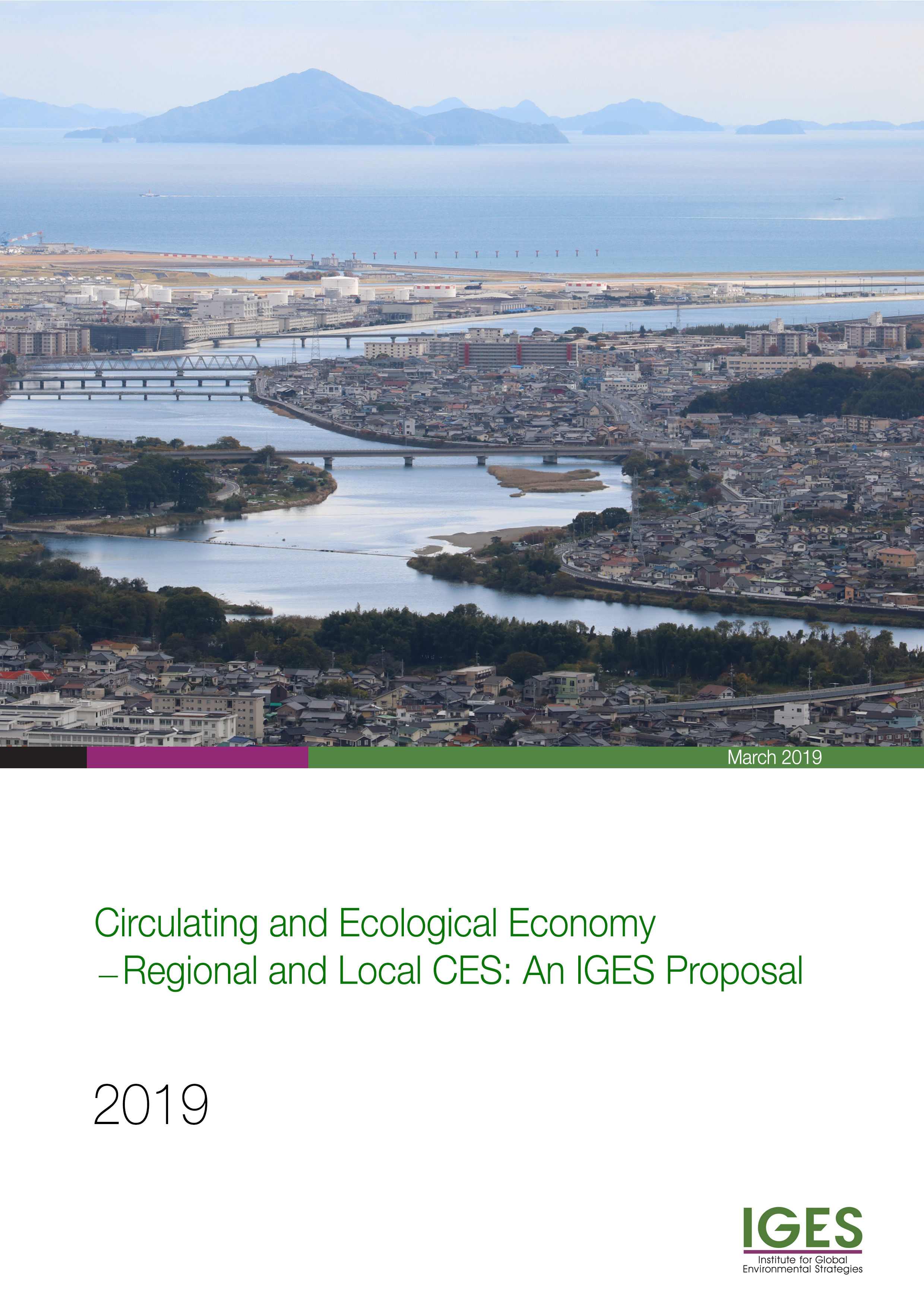
This paper explores the current understanding regarding the Circulating and Ecological Economy (CEE) and the Regional/Local CES concepts put forward by Japan’s Fifth Basic Environment Plan. The CEE and the Regional/Local CES advance a low-carbon, self-reliant, and decentralised society based on living in harmony with nature. The Regional/Local CES...
This report demonstrates that changes in consumption patterns and dominant lifestyles are a critical and integral part of the solutions package to addressing climate change. The report fills a gap in the existing research by establishing global targets for lifestyle carbon footprints, examining current consumption patterns and their impacts on...
The 2030 Agenda, with its 17 Sustainable Development Goals (SDGs), 169 targets, and 232 indicators, agreed by all countries, are intended to “transform the world”. This report examines the ability of the SDGs to actually trigger this transformation and to suggest some key actions to make the SDGs more transformative. It examines the roles of key...
Many policymakers are responding to the Sustainable Development Goals (SDGs) by integrating multiple economic, social and environmental concerns into their development plans. Much of the recent research on SDGs has sought to help policymakers with this cross-sectoral integration by developing evidence-based models and analytical frameworks that can...
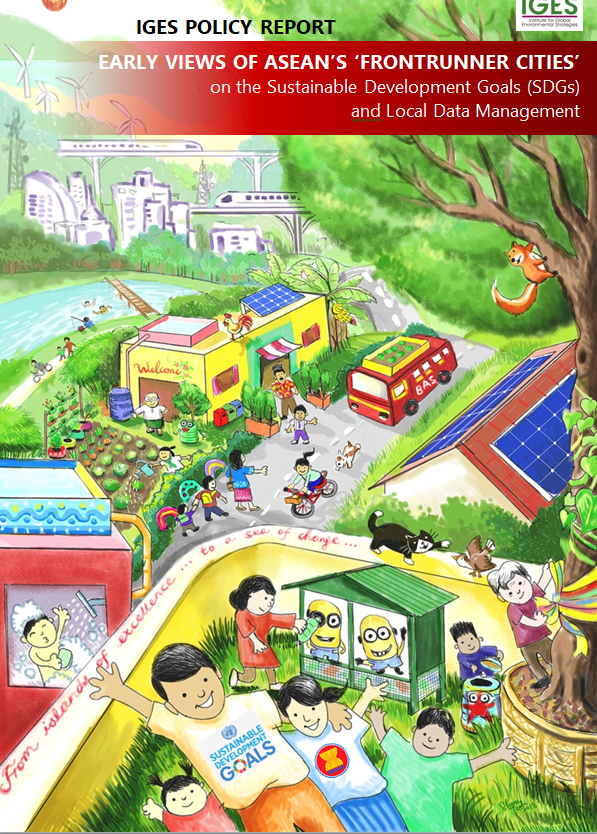
The adoption of the Sustainable Development Goals (SDGs) in 2015 as one of the core frameworks driving the 2030 Agenda for Sustainable Development provided the impetus to design a new phase of the ASEAN ESC Model Cities programme which is aligned to the SDGs. From around 2016, many parties and experts have launched publications to inform cities...
Despite considerable hope and enthusiasm raised by the Sustainable Development Goals (SDGs), and some quick initial efforts, many governments and stakeholders are uncertain about how to proceed concretely. The 2030 development agenda is intended to be transformative, and the goals seem comprehensive, but they also are very complex - with 17 goals...