Results 1 - 10 of 84 (Sorted by date)
Data or Tool
IGES Joint Crediting Mechanism (JCM) Database provides detailed information on the JCM methodologies, projects, and JCM feasibility studies to be utilized for research and development of JCM project. The JCM is being implemented under bilateral cooperation between Japan and 29 partner countries: Mongolia, Bangladesh, Ethiopia, Kenya, Maldives, Viet...
Peer-reviewed Article
In Microplastics
Author:
Mahagama Gedara Yohan Lasantha Mahagamage
Sachith Gihan Gamage
Rathnayake Mudiyanselage Shehan Kaushalya Rathnayake
Thejani Abeynayaka
Chathura Welivitiya
Lahiru Udumalagala
Chathura Rajitha
Supun Suranjith
Synthetic fibers are widely used in daily life due to their durability, elasticity, low cost, and ease of use. The textile industry is the primary source of synthetic microfibers, as these materials are mostly used in production processes. Globally, plastic pollution has been identified as a major environmental threat in this era, since plastics...
Conference Paper
Book of Abstracts - SLAcJ 8th International Conference on Harnessing Technology and Governance for Natural Capital Management
Author:
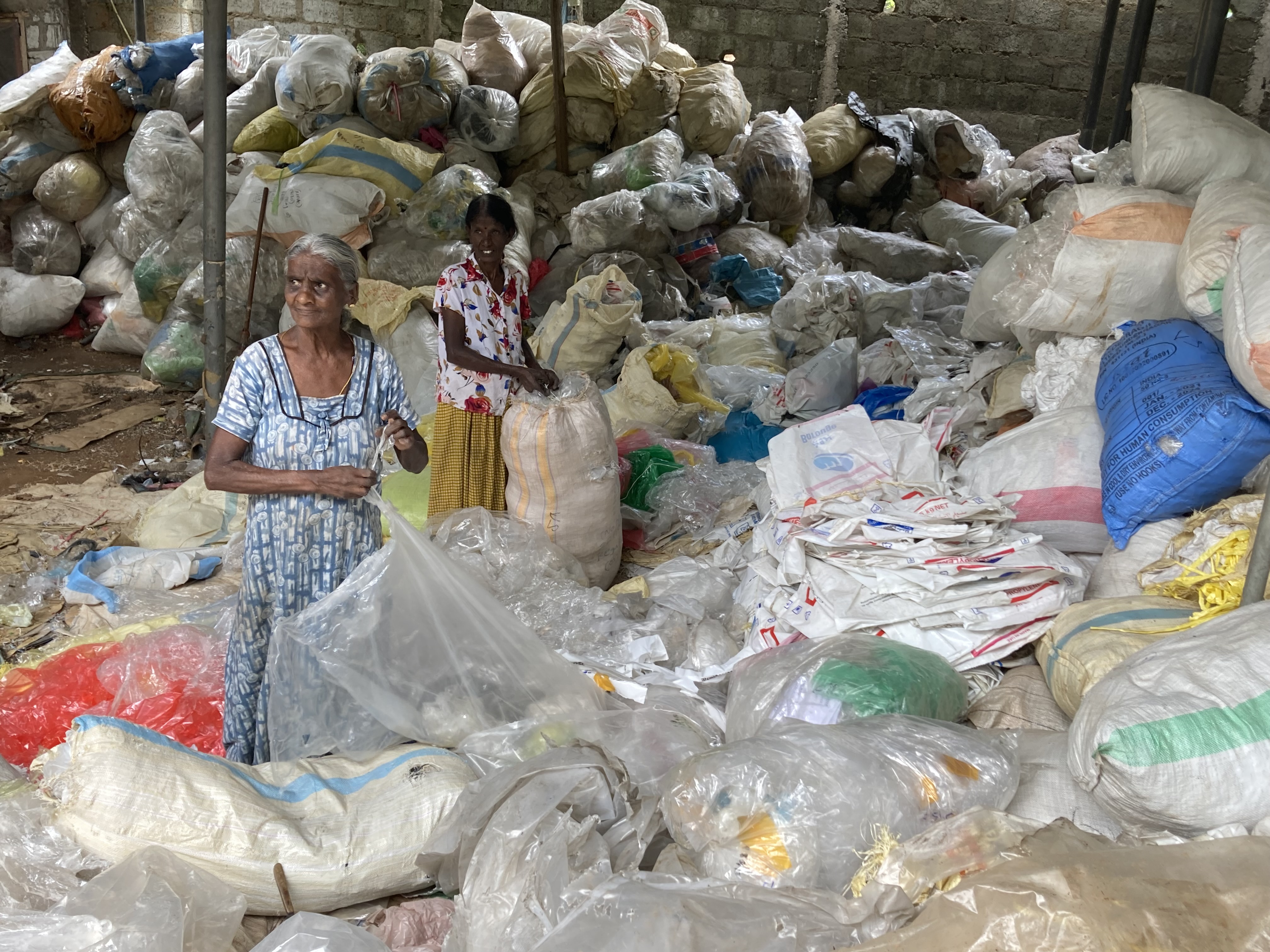
Environmental Education (EE) is crucial for raising awareness about environmental protection and improving the quality of life for present and future generations (Ilovan et al., 2019; Premakumara et al., 2016). This is particularly important in addressing global issues like plastic pollution. As of 2015, approximately 6300 metric tons of plastic...
Conference Proceeding
1st International Conference on Plastics & Environmental Sustainability
Author:
M.G.Y.L.Mahagamage
S.G.Gamage
R.M.S.K.Rathnayake
Chathura Welivitiya
M.G.K.Buddhika Somaratne
Hansi Sadhu Tharaka
Chathura Rajitha
Supun Suranjith
Amasha Kavindi
Synthetic fibres, owing to their durability, elasticity, non-wrinkle nature, and cost-effectiveness, have become ubiquitous globally. However, the widespread use of synthetic fibres has raised concerns about microfiber pollution, particularly in laundry wastewater. While source reduction could be considered the main management method to prevent...
Commissioned Report
Author:
Kentaro
Kato
This report summarises the findings of the following OECD initiatives that are particularly useful in considering the integrated implementation of domestic measures in Japan: the latest developments in OECD work on the environmental aspects of responsible corporate behaviour; the latest IPAC developments and good practices in climate policy; and...
Keywords:
Commissioned Report
This commissioned report presents the major outcomes of the project that aimed to set up a joint research project on urban transformation in collaboration with International Institute for Applied Systems Analysis (IIASA) and to hold an international symposium to present the research outcomes in Tokyo, with the aim of contributing to the special...
Presentation
Roundtable Meeting with Higher Level Functionaries for Strengthening the Climate Security Outcomes of Adaptation Planning
Climate security refers to the direct and indirect impacts of climate change on peace and security. It also refers to the impact of climate change on the political stability, human security, national security, etc. Climate change as a threat multiplier, can exacerbate the underlying traditional security issues and human security issues. Hence...
Commissioned Report
Japan is a member of the International Institute for Applied Systems Analysis (IIASA), known for its contributions to the computational modelling of acid rain and the Intergovernmental Panel on Climate Change (IPCC). In line with the Ministry of the Environment's contribution to IIASA from 2011, IGES has assumed the secretariat of the national...
Keywords:
Briefing Note
The global hospitality industry is at a pivotal juncture, confronting a pervasive challenge — the menace of plastic pollution and marine litter. The Global Tourism Plastics Initiative (GTPI) notes that approximately 80 percent of all tourism activities occur in coastal areas, positioning the hotel industry as a significant contributor to the...
Commissioned Report
Sri Lanka faces substantial challenges in managing its Municipal Solid Waste (MSW), attributed to factors like population growth, urbanization, changing consumption patterns, and fast growth of industrial and service sectors. Alarmingly, only 37% of city and district centers in the country benefit from official MSW collection services. The use of...