Just like in any city, the waste management has always been a major societal issue for Phnom Penh. The monthly amount of disposed waste at the landfill more than doubled in the past decade owing to factors such as population growth, economic growth, changes in industrial structure and of people’s lifestyle. While Phnom Penh Capital Administration...
- Clear all
- Publication Year: (-) 2018
- Topic: (-) Governance
Results 1 - 10 of 34 (Sorted by date)
This briefing note summarises the status and challenges related to SDG 6, 7, 11, 12, and 15 that were highlighted during HLPF 2018 thematic plenaries and selected side event discussions.
In Waste Management
Municipal solid waste management (MSWM) is considered one of the serious environmental issues in the Philippines, with corresponding linkages to the climate change and Sustainable Development Goals (SDGs). However, methane (CH4) linked with indiscriminate dumping of municipal solid waste has received the much attention with regard to public health...
Strengthening the Environmental Dimensions of the Sustainable Development Goals (SDGs)
Contributor:
This presentation provides background on SDG 12 (Responsible Consumption and Production), tracing its development through the 10 Year Framework of Programs (10YFP), through to the formal adoption of Agenda 2030. In so doing, it outlines challenges and opportunities for achieving the Goal, and includes case studies summarising good practices at the...
In Handbook of Sustainable Development in Asia
This chapter surveys the landscape of regional governance for sustainability in Asia, focusing on government-related regional and sub-regional institutions and cooperation frameworks related to the environment. Many of these frameworks include multi-stakeholder participation of non-governmental actors, but this chapter does not survey non...
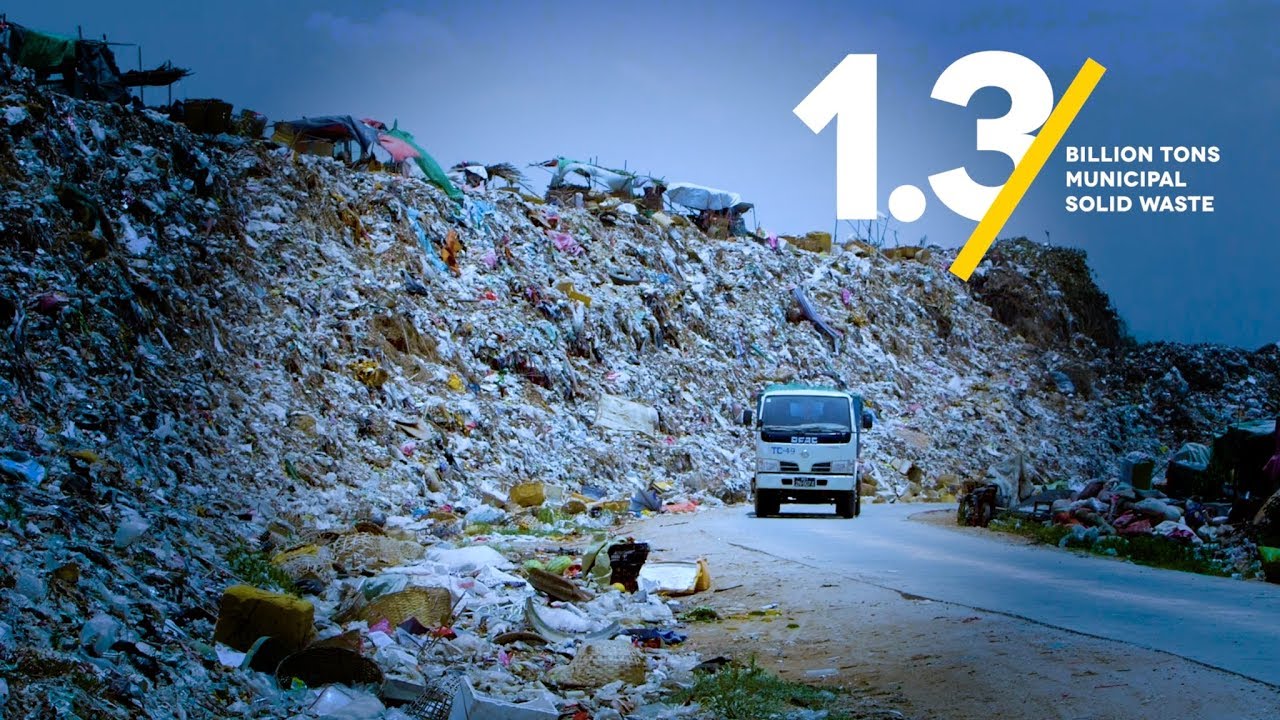
Developing a Waste Management Strategy Focusing on Waste as a Resource: the Case of Mandalay City [IGES e-Learning Series] is made up of two videos: 1) Addressing Mandalay's Waste Crisis – A Community in Transition 2) Developing a Waste Management Strategy: Transforming Waste from Problem to Resource These two educational videos highlight the...
In Biofuels and Sustainability: Holistic Perspectives for Policy-making
This chapter discusses the social and economic impacts of biofuels in East Asia by analyzing four country case studies. Three case study countries are large Asian rapidly developing countries which were expected to be large consumers and producers of biofuels at the beginning of the biofuel boom in the late 2000s: Indonesia, India, and China. All...
In Biofuels and Sustainability: Holistic Perspectives for Policy-making
In the beginning of the biofuel boom in the late 2000s, there were high expectations in many Asian countries that biofuels could enhance energy security, provide jobs, and reduce greenhouse gas (GHG) emissions. There were hopes that biofuels could be produced and consumed on a large scale and high expectations of significant biofuel trade. Some...
International Forum for Sustainable Asia and the Pacific (ISAP) 2018
This presentation introduces this book: Elder, M. and King, P. (eds) (2018) Realising the Transformative Potential of the SDGs. Hayama, Japan: Institute for Global Environmental Strategies. Available at: https://pub.iges.or.jp/pub/realising-transformative-potential-sdgs.