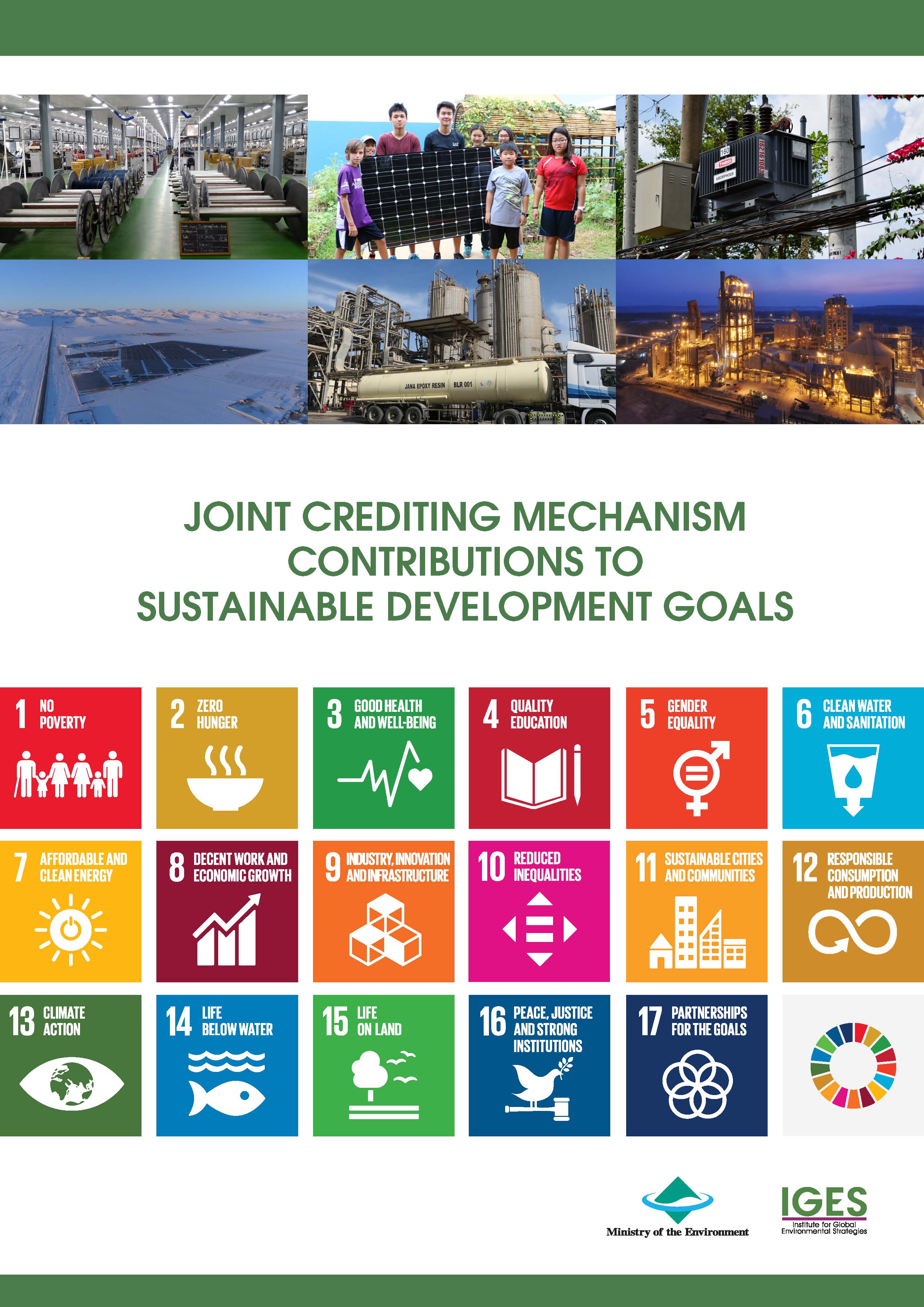
JCM-SDGs linkage guidance can be utilized to identify and analyse how the JCM projects contribute to achieving the SDGs. It shows linkages between JCM project types and SDG Targets. Measuring JCM project contributions to the SDGs would support a company’s internal communication and decision-making towards integration of the SDGs and business...
Results 41 - 50 of 102 (Sorted by date)
二国間クレジット制度と持続可能な開発への貢献活用ガイダンスは、JCMプロジェクトがどのようにSDGsに貢献しているかの特定や分析に活用することができます。プロジェクトを分析することで、企業内におけるJCMのSDGsへの貢献の理解を深め、ビジネス戦略とSDGsの統合に関するコミュニケーションや意思決定を促します。さらに、SDGsを軸とする新たなビジネス戦略構築のための戦略的ツールとしてJCMを活用することができます。
In Global Sustainability
For agriculture and land management to improve natural capital over whole landscapes, social cooperation has long been required. The political economy of the later twentieth and early twenty-first centuries prioritized unfettered individual action over the collective, and many rural institutions were harmed or destroyed. Since then, a wide range of...
This Composting Guideline was prepared by the researchers from the National Institute for Environmental Studies (NIES) and the Institute for Global Environmental Strategies (IGES) focusing on the introduction of composting projects based on source separation of organic waste and aerobic fermentation at plants for Municipal Solid Waste (MSW)...
In Gastronomica
This short article offers a vignette of experiences with food and COVID-19 in Zushi City, Japan early in the pandemic to shed light on the vulnerabilities of the country’s food system. It illustrates how national policies to control the spread of infection affected consumer behavior on the ground and raises larger questions about the sustainability...
In Sustainability
The advent of modern technology in agriculture has increased the efficiency of our food production but also poses pressures on the sustainability of our planet. The Globally Important Agricultural Heritage Systems (GIAHS) of the Food and Agriculture Organization of the United Nations (FAO) has been developed to safeguard traditional agricultural...
This report, which focuses on innovation, is the third by The World in 2050 (TWI2050) initiative that was established by the International Institute for Applied Systems Analysis (IIASA) and other partners to provide scientific foundations for the UN’s 2030 Agenda for Sustainable Development. In 2018, the first report by TWI2050 on Transformations...
This report is the first publication to analyse the inter-linkage between Joint Crediting Mechanism (JCM) and Sustainable Development Goals (SDGs) and aims to clarify how the JCM contributes to SDG Goals and Targets. The JCM projects are mainly developed between a Japanese company and a local company in the partner country; therefore, we included...
本レポートはJCM とSDGs の関連性をまとめた最初の出版物であり、JCM を通したSDGs の目標とターゲットへの貢献のあり方を明らかにすることを目的としています。JCM プロジェクトは、日本企業と現地企業が共同で実施する民間主導によるビジネスが主となります。実際にプロジェクトを実施している企業にインタビューを行い、その内容を記事にまとめることで、民間企業の視点も含んだレポートとなっています。 JCM とSDGs の関連性を理解することは、JCM を通したSDGs 達成に向けた取組をさらに加速するための重要な一歩になると考えています。
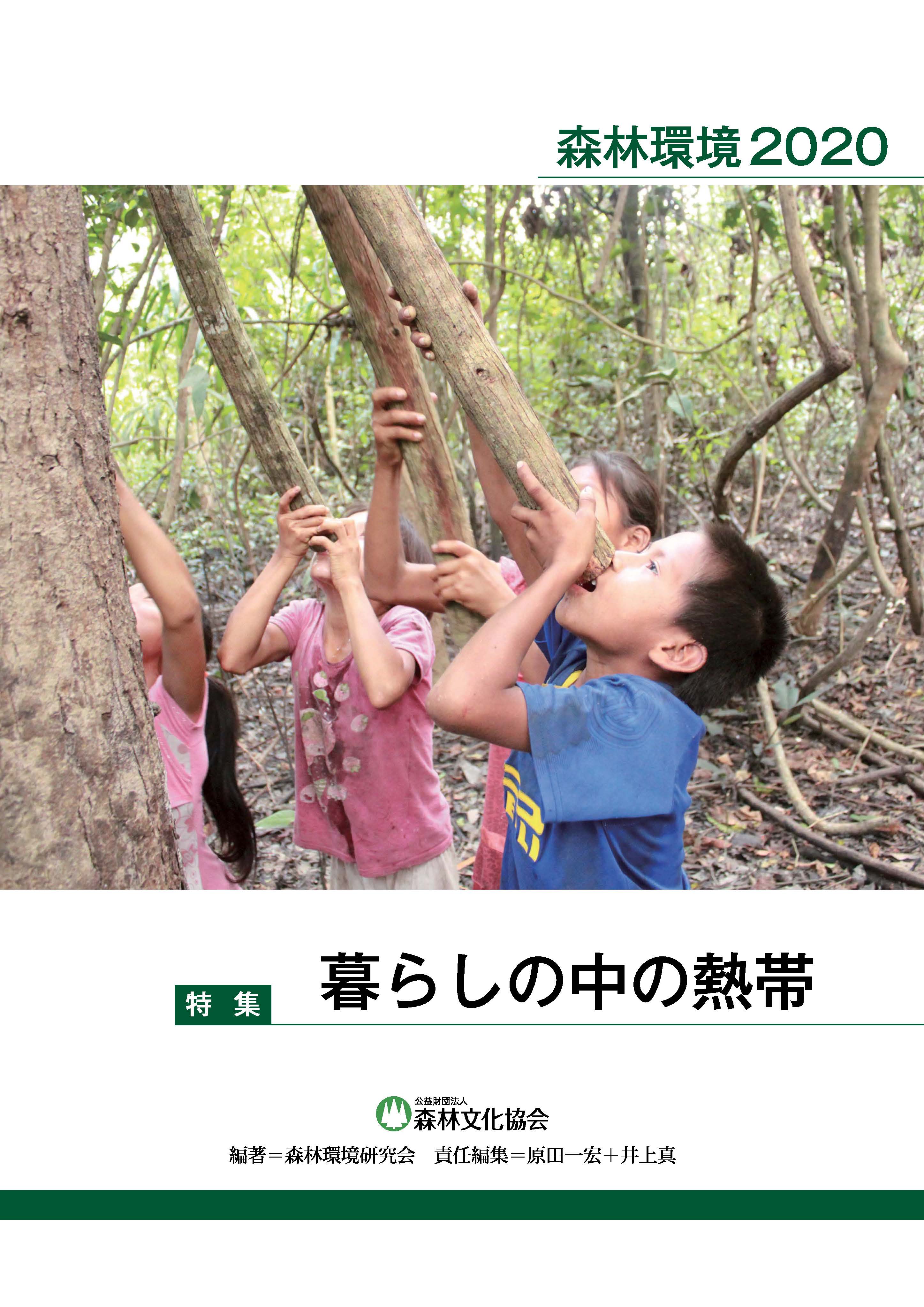
「森林環境2020」 特集・暮らしの中の熱帯
本稿で紹介するインドネシアの東カリマンタン州は1980年代に一部の県でアブラヤシ農園開発が始まった後、特に2000年代後半から、比較的最近になってアブラヤシ農園が急拡大しており、私の調査地を含めて、今でも天然二次林が伐採されてアブラヤシ農園が造成されている。アブラヤシ農園企業と地域住民の土地の権利を巡る争いも数多く起きており、地元の新聞で報道されることも多い。このようなアブラヤシ農園の拡大はどこまで続くのか、歯止めをかけることができるのか、それを東カリマンタン州の森林の状況、政策、制度、開発、地域住民の経済状況、土地の収用といった複数の点から考える。 本稿は『グリーンパワー』月刊2019年5月号に掲載された論考が『「森林環境2020」 特集・暮らしの中の熱帯』に再掲されたものである。