Results 1 - 4 of 4 (Sorted by date)
Book Chapter
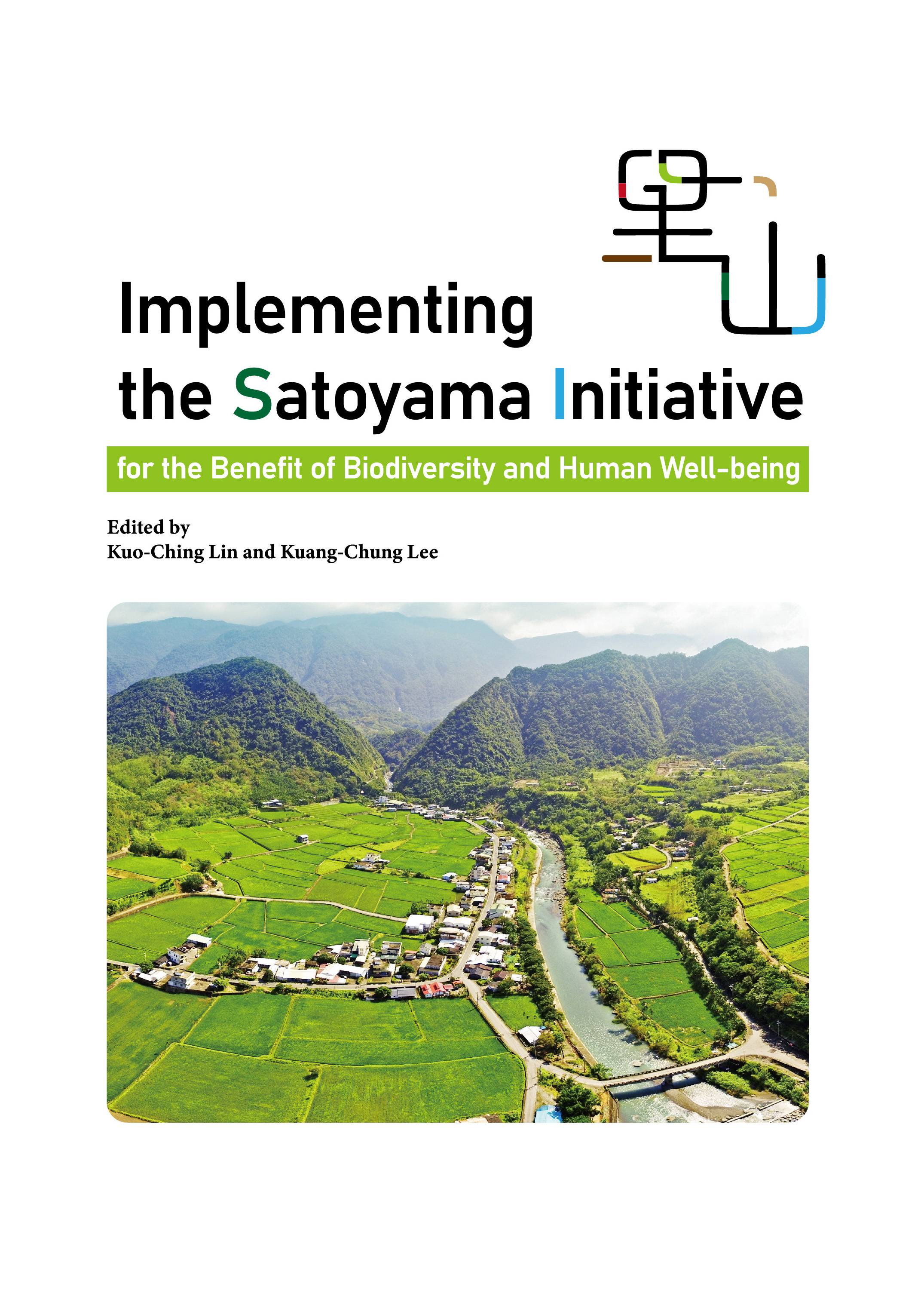
In Implementing the Satoyama Initiative for the benefit of biodiversity and human well-being
Author:
Raffaela
Kozar
Primary production, including agriculture, aquaculture, forestry and fisheries is the strongest driver of biodiversity loss globally. It can, however, contribute to biodiversity conservation if wisely managed such as in ‘Satoyama’ and ‘Satoumi’, or socio-ecological production landscapes and seascapes (SEPLS), where production activities support...
Policy Report
Author:
Hul
Seingheng
Chihiro
Yoshimura
Sovannara
Uk
Rajendra
Khanal
Sokly
Siev
Aiko
Yamashita
Hideto
Fujii
Tomohiro
Tanaka
Hidekazu
Yoshioka
Takashi
Nakamura
Yoichi
Fujihara
Keisuke
Hoshikawa
Sarann
Ly
Sambo
Lun
Sokchhay
Heng
Sok
Ty
Mong
Marith
Oeurng
Chantha
Song
Layheang
Fidero
Kuok
Boreborey
Ty
Chanvorleak
Phat
Eden G.
Mariquit
Winarto
Kurniawan
Hirofumi
Hinode
Porsry
Ung
Reasmey
Tan
Vannak
Ann
Chanthol
Peng
Manabu
Fujii
Kazuhiko
Miyanaga
Yasunori
Tanji
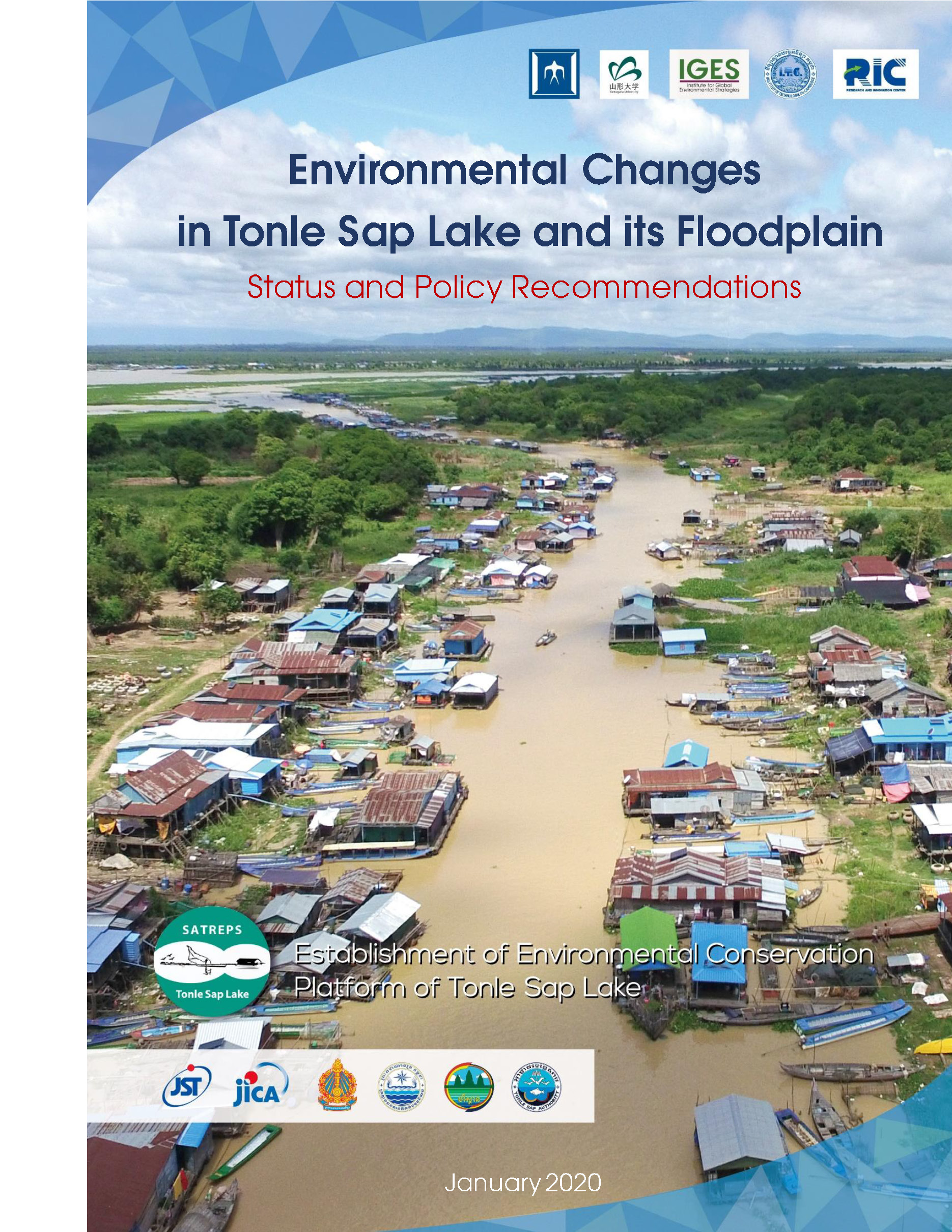
Tonle Sap Lake (TSL), the largest lake in South East Asia, is under increasing pressure from pollution, land-use change, climate change, and development activities in the lake, its basin and the Mekong Basin. Recent changes in the lake hydrological system and its floodplains are becoming a great concern for hundreds of communities relying on the...
Book Chapter
In Anthropogenic Tropical Forests: Human–Nature Interfaces on the Plantation Frontier
Author:
Naoko
Tokuchi
Jason
Hon
Keitaro
Fukushima
The drastic transformation in land use from natural forest to acacia and oil palm plantations in tropical regions is an issue of some controversy. The influence of land-use change on nutrient cycling is not fully understood. In this case, stream water chemistry is one of the most useful indexes of the nutrient status of an ecosystem. We...