Results 1 - 10 of 450 (Sorted by date)
Working Paper
Author:
Sing Yee
Toh
Soo Chin
Khoo
Loon Wai
Chau
The outcome of the first Global Stocktake (GST1), concluded at COP28, is expected to firmly inform countries’ next nationally determined contributions (NDCs), due in early 2025, so as to ensure that global efforts are on track to achieve the goals of the Paris Agreement. Taking Malaysia as a case study country, the objective of this study is to...
Peer-reviewed Article
In Sustainability Science
This article critically examines UNEP's Adaptation Gap Report 2023 (AGR2023) as a foundational source in the narrative that insufficient adaptation finance is the primary barrier to climate change adaptation and, based on this analysis, offers suggestions for future Conference of the Parties (COP) discussions on the adaptation framework. This...
Policy Brief
Author:
Edmond Totin, Bhim Adhikari, Chandni Singh, Nick Simpson, and Petra Tschakert
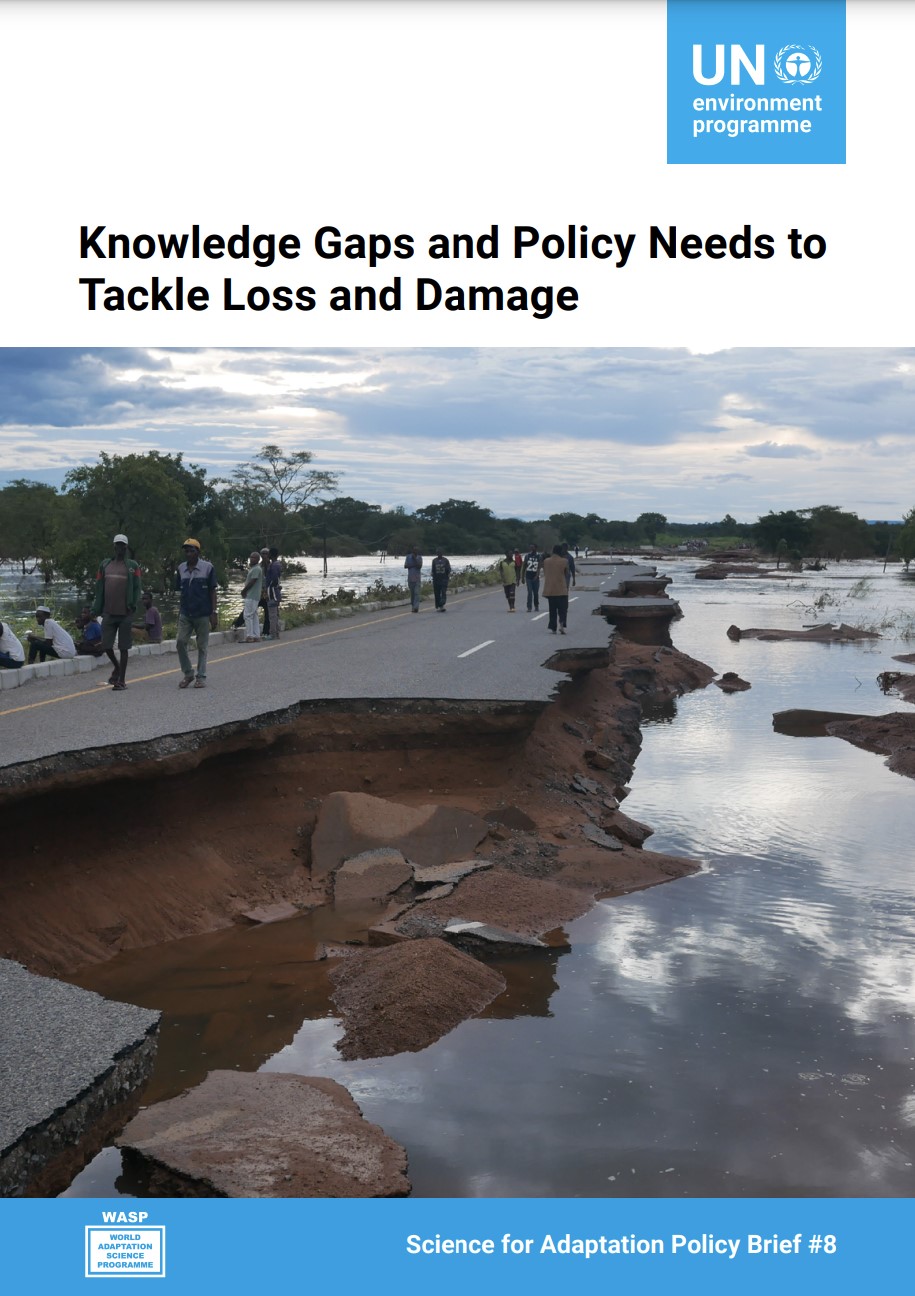
Key messages: 1. Climate change results in substantial loss and damage to societies and natural systems when it is not mitigated by reducing greenhouse gas emissions or averted through adaptation. Loss of life, extinction of species and ecosystem destruction are a few of the irreversible repercussions already attributed to unabated climate change...
Peer-reviewed Article
In ISPRS Annals of the Photogrammetry, Remote Sensing and Spatial Information Sciences
Author:
Takeo
Tadono
Mariko
Harada
Osamu
Ochiai
Ko
Hamamoto
In this study, we extracted above-ground biomass (AGB) information for forests in different ecological zones of ASEAN (Association of Southeast Asian Nations) by integrating freely-available global AGB, forest, and ecological zone map products. Our objective was to assess the suitability of the data and proposed approach for national reporting of...
Peer-reviewed Article
In Journal of Climate Change
Author:
Shiwani
Saurabh Kumar
Gupta
Shruti
Kanga
Suraj Kumar
Singh
Mohamed
Mahgoub
Gowhar
Meraj
This review article provides a thorough examination of the factors affecting energy consumption in India and around the world, focussing on suburban areas and their role in the broader context of building construction and energy efficiency. The study examines the switch from conventional energy sources to more diversified energy portfolios...
Policy Report
This paper critically reassesses the dominant narrative that insufficient adaptation finance is the primary obstacle to climate change adaptation in developing countries. Through a comprehensive review of UNEP's 2023 Adaptation Gap Report (AGR2023), which has played a pivotal role in shaping this narrative, the paper uncovers serious methodological...
Book Chapter
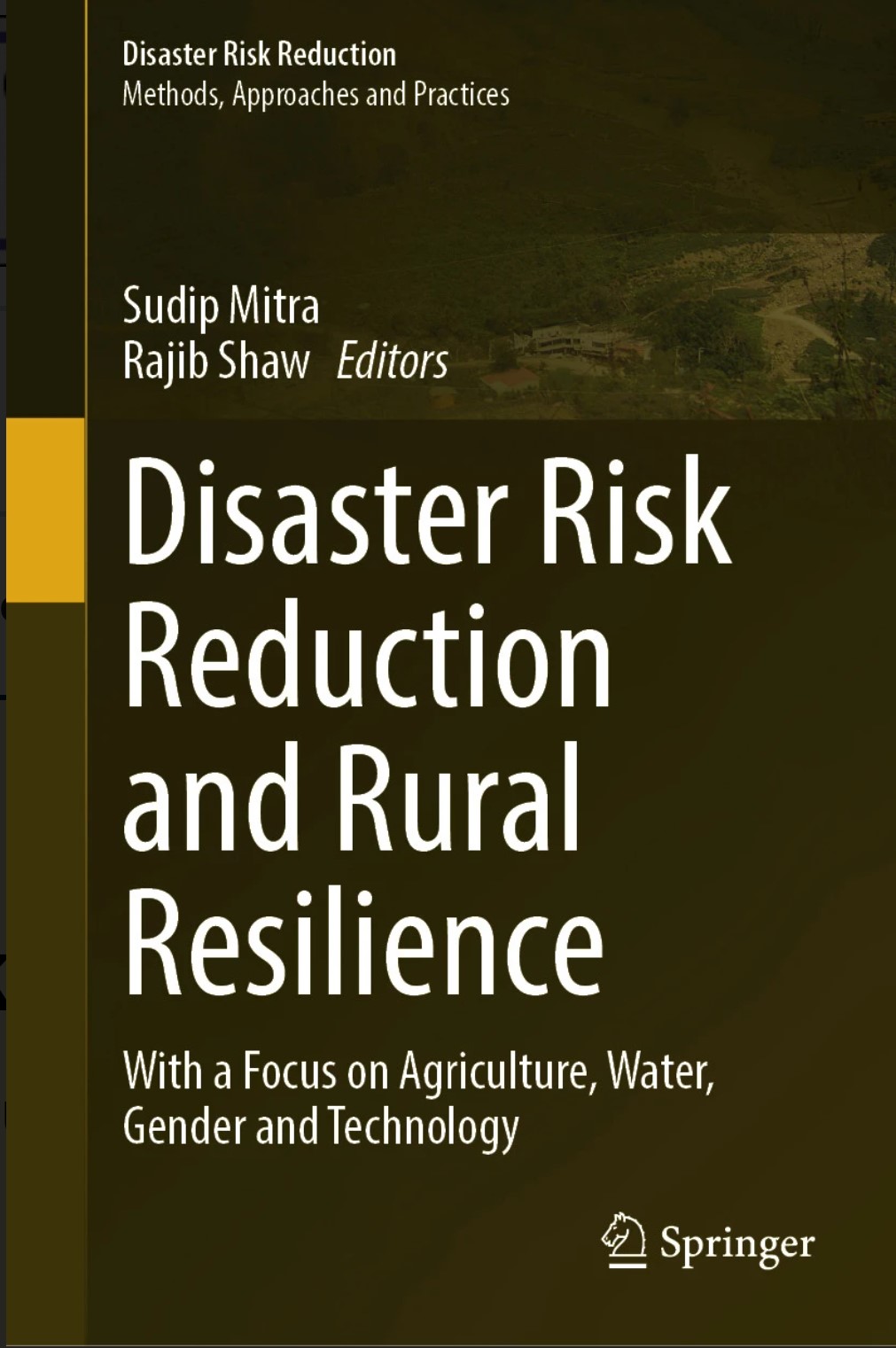
In Disaster Risk Reduction and Rural Resilience: With a Focus on Agriculture, Water, Gender and Technology
The South Asian nations have vibrant agrarian economies with a significant proportion of their populations dependent on agriculture for their livelihoods. These countries have made significant progress in developing the agriculture policy environment though slowly through concerted actions over the years as a result of which they have increasingly...
Peer-reviewed Article
In Habitat International
Author:
Md. Nasif
Ahsan
Jannatul
Naim
Ashraful
Alam
Sajib
Chowdhury
Md Tariqul
Islam
Amina
Khatun
Nishad
Nasrin
Karina
Vink
This study examines the factors influencing environmental migrants’ habitat preferences in southwestern Bangladesh. Using a multi-stage sampling technique, we selected 408 households in rural and urban areas, who had moved to their current locations due to climatic extremes. We applied relevant regression models to analyze the complex interplay of...
Presentation
Climate change adaptation in agriculture for enhanced recovery and sustainability of highlands
CSA projects needs to be bankable. i.e. the project addresses/considers all known financial and economic risks and yields solid financial and economic performance while providing climate benefits. 1. Design synergistic CSA practices meeting dual objectives: climate change risk and vulnerability reduction and GHG mitigation 2. Wherever appropriate...
Presentation
Climate change adaptation in agriculture for enhanced recovery and sustainability of highlands
Thai highlands are characterized by high heterogeneity in vertical and horizontal planes in terms of microclimate, geographical, and socio-economic factors that determine the nature of agriculture practised and livelihoods. Highland agriculture is rapidly changing as commercial farming and plantations are being introduced with detrimental impacts...