This submission provides inputs to the first Global Stocktake based on key findings from our transparency capacity building activities such as the mutual learning program for enhanced transparency (MLP) and the Asian Transparency Workshop (ATW).
Results 1 - 8 of 8 (Sorted by date)
In Land Degradation and Development
Place attachment and ecocentric attitude are the important determinants of conservation behaviour, especially for traditionally managed landscapes. In this paper, we explore the relationship between place attachment and the ecocentric attitude of farmers engaged in Jhum cultivation ( aka shifting /slash and burn cultivation) in the Zunheboto...
On Thursday 2 December 2021, United Nations University Institute for the Advanced Study of Sustainability (UNU-IAS) and Institute for Global Environmental Strategies (IGES) convened a session entitled “Landscape Approaches for Biodiversity, Climate Change and Sustainable Development Co-benefits” at the 13th International Forum for Sustainable Asia...
On Thursday 12 November 2020, United Nations University Institute for the Advanced Study of Sustainability (UNU-IAS) and Institute for Global Environmental Strategies (IGES) convened a session entitled “The Satoyama Initiative, transformative change, and societies in harmony with nature” at the 12th International Forum for Sustainable Asia and the...
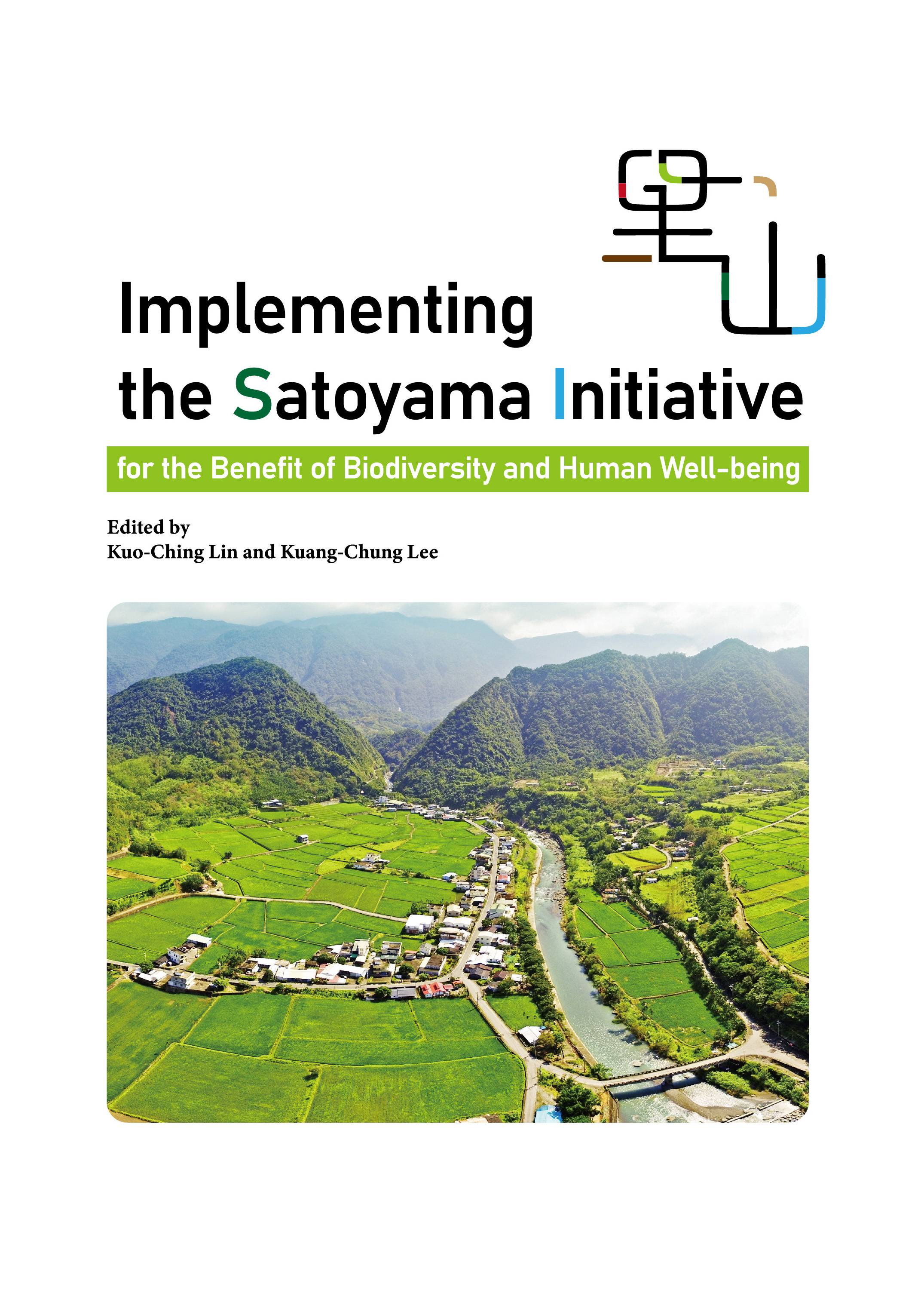
In Implementing the Satoyama Initiative for the benefit of biodiversity and human well-being
Primary production, including agriculture, aquaculture, forestry and fisheries is the strongest driver of biodiversity loss globally. It can, however, contribute to biodiversity conservation if wisely managed such as in ‘Satoyama’ and ‘Satoumi’, or socio-ecological production landscapes and seascapes (SEPLS), where production activities support...
High Level Political Forum on Sustainable Development 2020 Side Event "Satoyama Initiative – Societies in Harmony with Nature: An inclusive approach for communities, landscapes and seascapes"
This presentation is about the critical role of socio-ecological production landscapes and seascapes (SEPLS) for the achievement of Sustainable Development Goals (SDGs) and the Post-2020 Global Biodiversity Framework. It overviews the Satoyama Initiative, including the Satoyama Development Mechanism, and discusses resilience in the face of COVID-19...
This booklet provides an overview of the SDM, including its objectives and funding scheme, and summarises the overview of the projects newly selected in 2014.
The booklet provides the results of the first year of the Satoyama Development Mechanism operations and a brief introduction of the six projects selected for the year 2013.